Finding Calm in the Chaos: A 5-Minute Guide to Mindful Presence
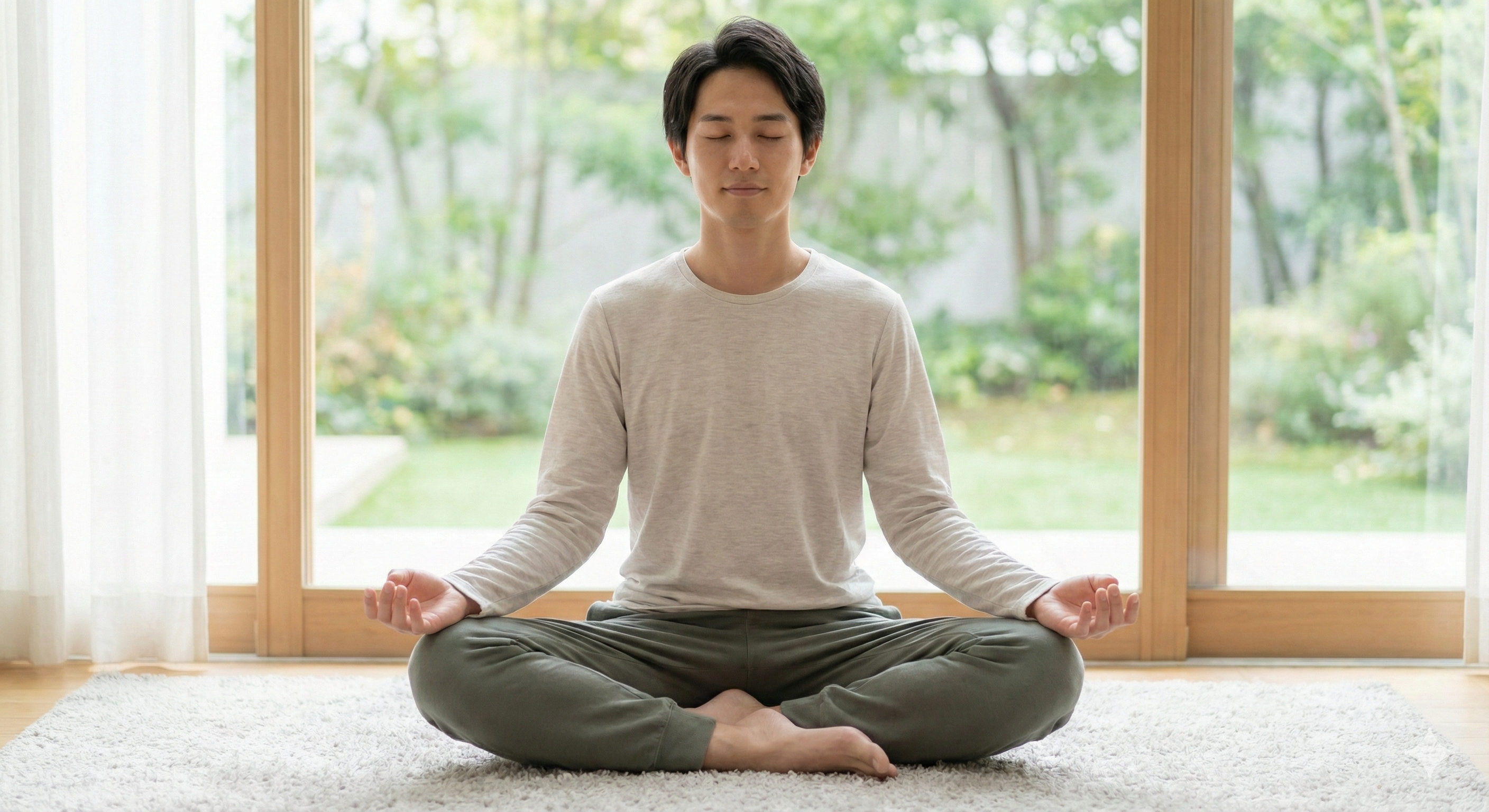
In the relentless rush of modern life, finding peace often feels like a luxury we cannot afford. We convince ourselves that serenity requires an hour of silence, a secluded retreat, or a master-level understanding of meditation.
So when we only have five minutes between Zoom calls or while the coffee is brewing, we scroll through our phones instead of tuning into ourselves.
But what if five minutes was all you needed to hit a profound reset button?
True mindfulness isn’t about escaping your life for long periods; it’s about inhabiting your life more fully in the present moment. Based on a simple guided practice by Great Meditation, this guide shows how just five minutes can shift you from doing to simply being.
The Core Philosophy: The Art of “Letting Be”
Before diving into the steps, it’s important to understand the foundation of this practice.
The message is simple: observe, accept, allow — with no judgment.
Our minds are problem-solving machines. When we notice tension, we want to fix it. When a worrying thought pops up, we chase it. This practice asks you to do something radically different: nothing.
You notice, you accept, and you let it be.
This breaks the cycle of reactivity that feeds daily stress. It teaches us that we can experience thoughts and sensations without being controlled by them.
The 5-Minute Practice: Step-by-Step Guide
You don’t need a silent room or special equipment — just a willingness to pause.
Step 1: The Physical Anchor (0:00 - 1:00)
Find a comfortable position. Close your eyes gently and tune into the weight of gravity. Feel the points of contact between your body and the surface supporting you.
Why it matters:
It pulls you out of your head and back into your body — the present moment.
Step 2: The Inner Landscape (1:00 - 1:45)
Ask yourself: What is it like to be in my body right now?
Notice sensations like warmth, tightness, or tingling with compassion, without trying to change anything.
Why it matters:
This is an act of self-care, reminding you to pay attention to your body instead of fighting it.
Step 3: The Breath as a Sanctuary (1:45 - 2:30)
Shift your focus to your natural breath. No altering, no counting — just observing the sensations of breathing.
Why it matters:
Your breath is always happening now. Paying attention to it anchors you in the moment.
Step 4: Expanding the Lens (2:30 - 3:30)
With eyes still closed, expand your awareness to the space around your body — the air on your skin, the presence of objects in the room.
Why it matters:
It softens the boundary between “me” and the world, creating a sense of connectedness.
Step 5: The Return (3:30 - 4:00)
Your mind will wander. When it does, simply notice it and gently return to the present moment without judgment.
Why it matters:
The moment you notice the wandering is the moment of mindfulness. Returning strengthens your mental focus.
Re-Entering the World
As the practice ends, bring slow movement back to your body — roll your shoulders, wiggle your fingers, then open your eyes.
Try to carry this calm awareness with you as you continue your day.
A five-minute practice won’t solve your problems, but it can transform your relationship with them. By stepping out of the stream of thoughts and sitting on the bank, even briefly, you return with clarity, steadiness, and the reminder to simply let things be.